
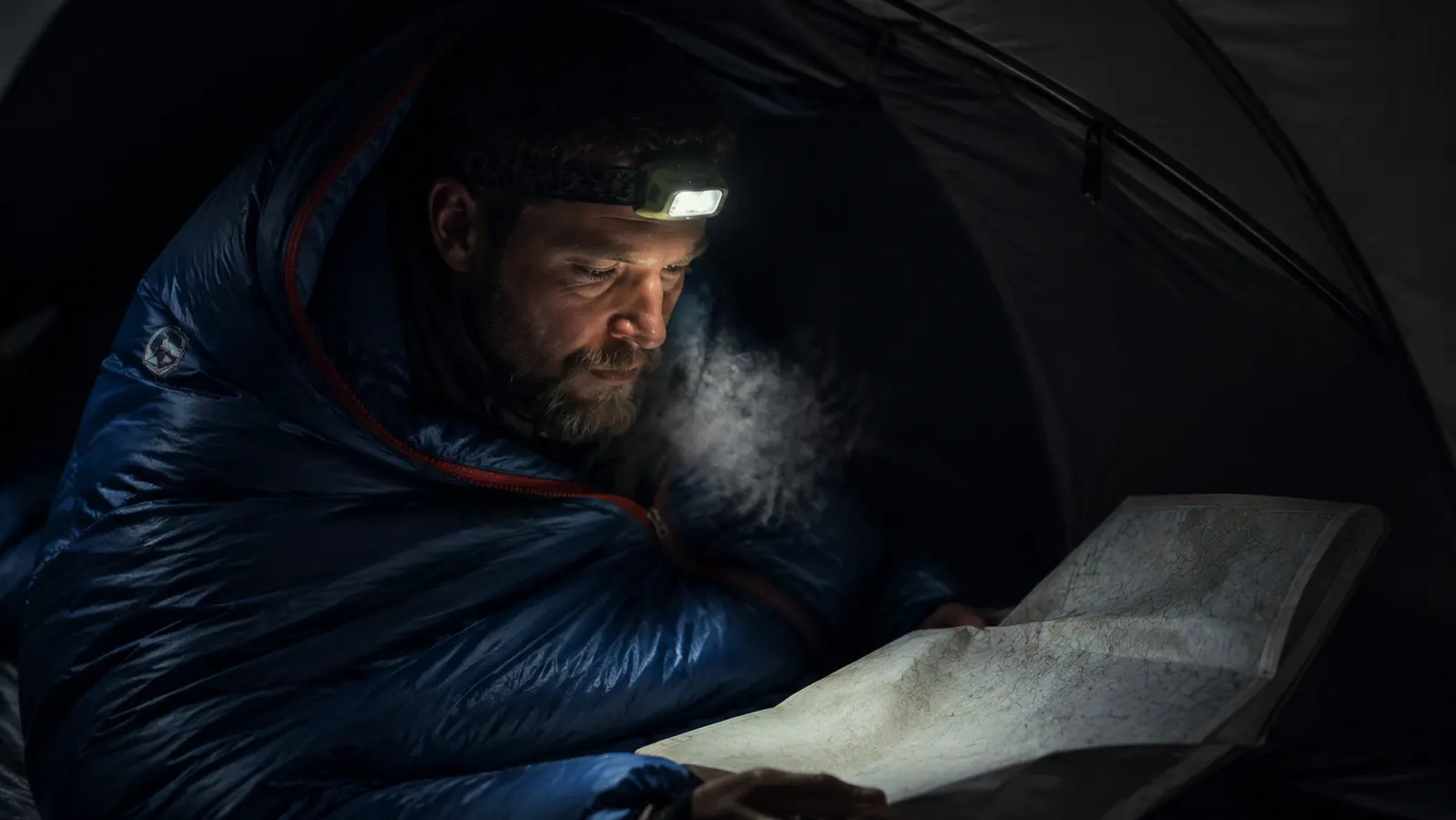
I almost didn't bring the TETON TrailHead that weekend. I'd had it for about eight months, used it maybe five times at established campgrounds where nights dipped into the high 30s but nothing brutal. September in Colorado's Lost Creek Wilderness is usually reasonable. Highs in the 60s, nights around 35 to 40 degrees. I'd done that stretch of trail twice before. I knew what to expect.
What I didn't check was the forecast for Friday night specifically. I looked at the weekend average, saw 38 degrees, and called it good. My buddy Dave had checked his phone before we left the trailhead parking lot and didn't say anything. Neither did I. We were three miles in by the time either of us thought to look again.
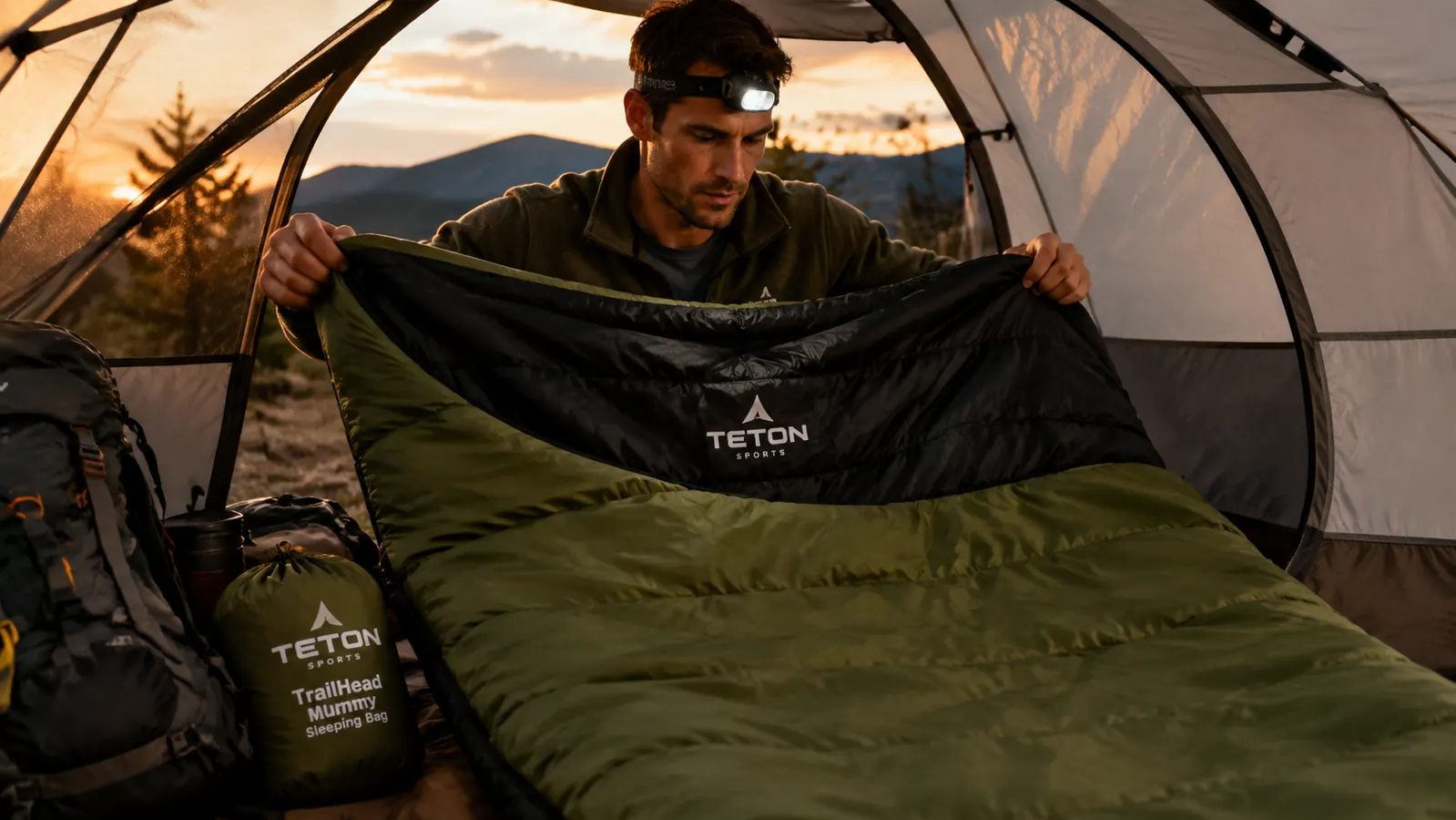
The TETON Sports TrailHead is rated to 20 degrees Fahrenheit. I'd never actually tested it anywhere close to that. Most of my Colorado weekend trips stay comfortably above freezing, so I'd been carrying a bag that was rated lower than I needed, which I figured was a safe margin. Turns out September can test that margin.
By 11pm I could see my breath inside the tent. By 2am the tent walls had ice crystals on them. I pulled the mummy bag collar up tight, cinched the hood down to a fist-sized opening around my face, and stayed there.
Dave had a rectangular bag rated to 40 degrees. He woke me up at 1am because he was too cold to sleep. He spent the rest of the night in his puffy jacket and rain pants layered over his clothes, inside the bag, still cold. I felt genuinely bad for him. But I also did not get out of my bag to help him, because I was actually comfortable.
That's the thing about a mummy bag that you don't fully appreciate until a night like that: the shape matters as much as the insulation rating. A rectangular bag traps air in a big cavity around your legs and feet. Your body has to heat all of that air. When it's 18 degrees outside and your bag is rated to 40, your body is working hard and losing the fight. In a mummy cut, the bag hugs close. There's less air to heat. The rated temperature actually means something.
Your sleeping bag's temperature rating is only useful if the design actually traps heat
The TETON Sports TrailHead is a 20-degree mummy bag with a full-length hood and draft collar. It's the bag I reached for on a night that dropped to 18 degrees in the Colorado mountains, and I slept through it.
Amazon Check Today's Price on Amazon →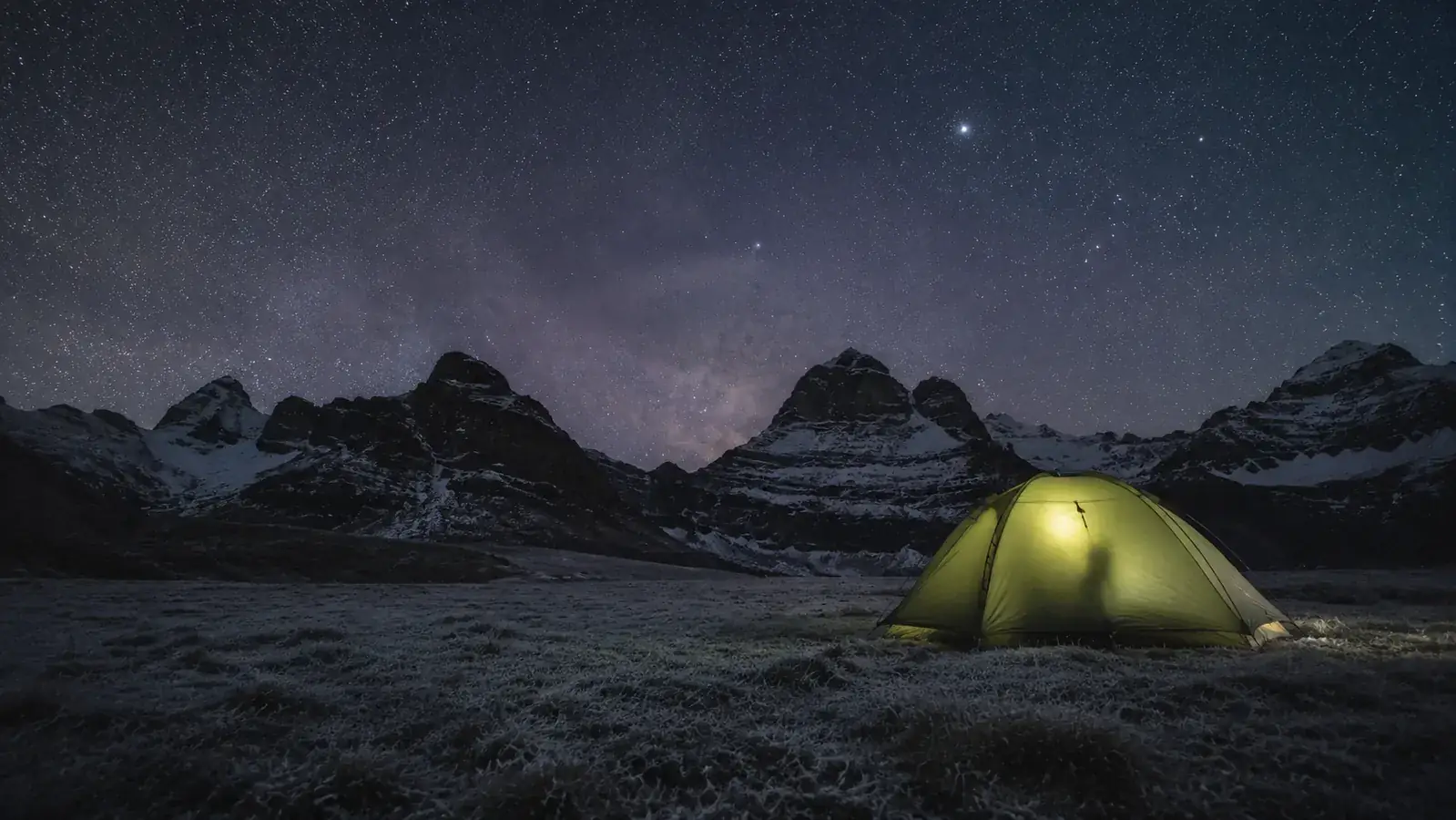
I will say the TETON TrailHead is not perfect. The zipper on mine has a tendency to snag on the draft tube if you're pulling it fast, especially when you're half-asleep and need to vent some heat. That's annoying. The hood cinch cord has a plastic toggle that feels a little cheap. And the bag compresses to about the size of a large cantaloupe in its stuff sack, which is adequate but not compact by backpacking standards. I carry it in my pack on weekend trips, but for longer trips with a heavier gear load, you'd want something lighter and smaller.
Here is what the TETON Sports TrailHead does well: it keeps you warm at its rated temperature, it's built with a full locking zipper so you're not fighting it in the dark, and the hood has enough structure to stay cinched down around your face without you holding it there. At the price, I've found nothing comparable. I've looked. The synthetic fill has held up through dozens of compression cycles without developing cold spots, which is the main failure mode I've seen in cheaper bags.
We broke camp at first light the next morning. Dave was exhausted and irritable. I had slept about six solid hours. We hiked out, ate breakfast at a diner in Bailey, and on the drive home Dave asked me what bag I was using. I told him. He ordered one before we hit Denver.
What I'd Tell You If We Were Sitting at My Kitchen Table
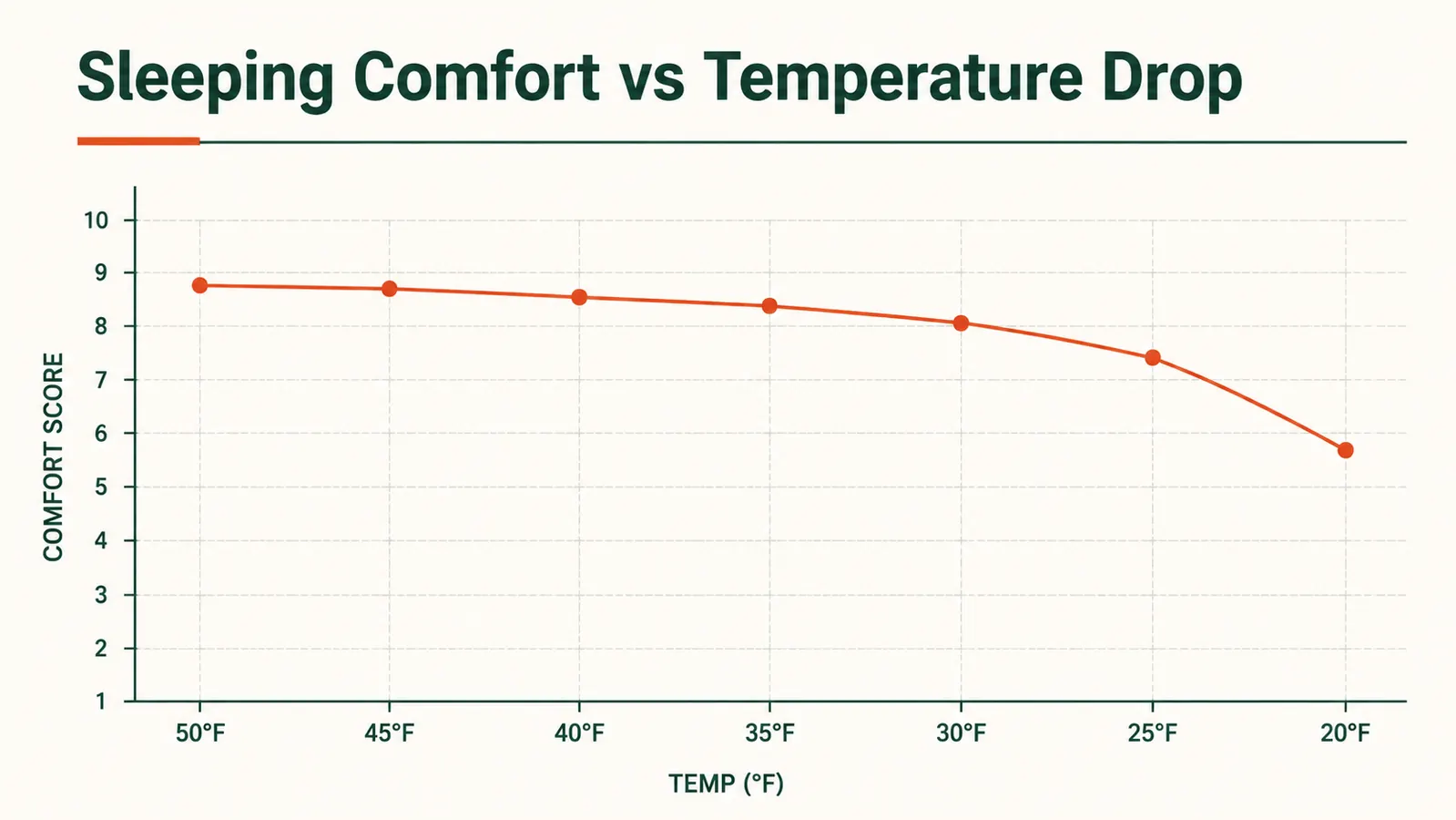
Here's the honest version: if you camp in Colorado or anywhere in the mountain West, a 40-degree bag is not enough for shoulder season. September and October can bite hard, and if you're car camping or doing overnights with a pack, a night like the one I described will ruin your trip. A 20-degree mummy bag is not overkill. It's the right tool.
The TETON Sports TrailHead is the bag I recommend to people when they ask me what to buy on a budget. It's not a boutique sleeping bag. It doesn't have a waterproof shell or a fancy fill power rating that reads well on a spec sheet. What it has is a tested temperature rating that I've personally verified at 18 degrees, a mummy cut that actually functions at that temperature, and a price that doesn't require you to justify it to anyone. If you want a deeper breakdown of the specs and long-term durability, I wrote a full review you can read here. But if you want the short version, it's this: I've been cold in the mountains. I wasn't cold in this bag.
Don't buy the cheapest rectangular bag you can find and hope for the best on a September trip. That's how you spend a miserable night and bail early. Get the right bag before you need it, not after.
The TETON TrailHead costs less than a bad night at a motel and does a better job keeping you warm
4.5 stars across 1,735 reviews. Rated to 20 degrees Fahrenheit. Mummy cut with full hood and draft collar. The bag Marcus reaches for when the forecast gets uncertain.
Amazon Check Today's Price on Amazon →